


About us
Who are we?
Femtonics designs and manufacture customised scientific equipment to cutting-edge researchers for more than 20 years.

In order to achieve consistently excellent quality all of our processes are based on the foundation of the ISO9001 certified QMS. We are committed to fulfilling the regulatory requirements for RUO microscopes and their accessories. Our policy is based on continuous improvement, aiming to develop, produce, distribute, install, and service high-quality, innovative microscopes using advanced technology.
We apply a risk-based approach on monitoring our processes, always prioritizing the safety of our products’ users. The company’s management is dedicated to the satisfaction of both our customers and employees. Femtonics pay special attention to sustainability.
ISO 9001-2005 certificate HU.pdfManufacturing the future
Femtonics specializes in manufacturing two-photon laser scanning microscopes. Building on breakthroughs achieved in the bordering fields of optics and quantum mechanics, our systems provide the most innovative technologies, fitting a wide variety of in vivo and in vitro biological applications. We dedicate ourselves to neuroscience and aim to discover new technologies, to aid researchers striving to understand the nervous system, and its athomechanisms, and support pharmaceutical development.
All the creative work and investments poured into our products and technology, combined with careful monitoring of our customers requirements, produce remarkable results. In the complex and sophisticated world of science, we give our clients a real personalized touch in the form of a unique, powerful laboratory tool, that fits their vision perfectly.
FEMTO3D Atlas
Our flagship product, the FEMTO3D Atlas is a pioneer in the field of 3D multiphoton microscopy by using 3D acousto-optic (AO) technology, and it is a unique laboratory tool capable of performing ultrafast real-time in vivo 3D imaging.

FEMTO3D Atlas
FEMTOSmart
Furthermore, we also offer conventional systems: the FEMTOSmart series can be complemented by an array of optional modules for various biological applications, fitting any scientific need.

FEMTOSmart
Your perfect choice
We excel in combining the highest level of technology with researchers scientific knowledge, background, experience and long-term goals in the greatly competitive market of laser scanning microscopy.

FEMTO3D Atlas Plug&Play
Our AO technology has won several prestigious grants and prizes and has been validated by groundbreaking scientific results published in high-impact scientific journals (Science, Nature Methods, Nature Neuroscience). Our professionals hold presentations at the most prestigious neuroscientific conferences regularly.
Where did we start?
Our company was founded in 2005 by two scientists as a spin-off R&D company with roots in the Institute of Experimental Medicine. The main mission of the founders was to reform the established techniques of neuroscience and human diagnostics. Since then, we have expanded into a highly qualified multidisciplinary team of optical and mechanical engineers, physicists, biologists, physicians, mathematicians and scientists from many related fields. Our performance-driven attitude, unshakable focus on our customers and our determination to address emerging scientific needs has resulted in 20 world records, 120+ installed setups, 300 satisfied users and 140+ publications.

Our first microscope (2007)
Founded
Founded in Budapest by researchers from the Institute of Experimental Medicine, driven by the ambition to push the boundaries of microscopy.
Installed systems
Femtonics microscopes are active in labs across Europe, North America, and Asia.
Users
Supporting researchers worldwide in exploring neural activity, from subcellular structures to complex neuronal networks.
Publications
Scientific publications showcasing discoveries made possible with Femtonics imaging technology.
Our history


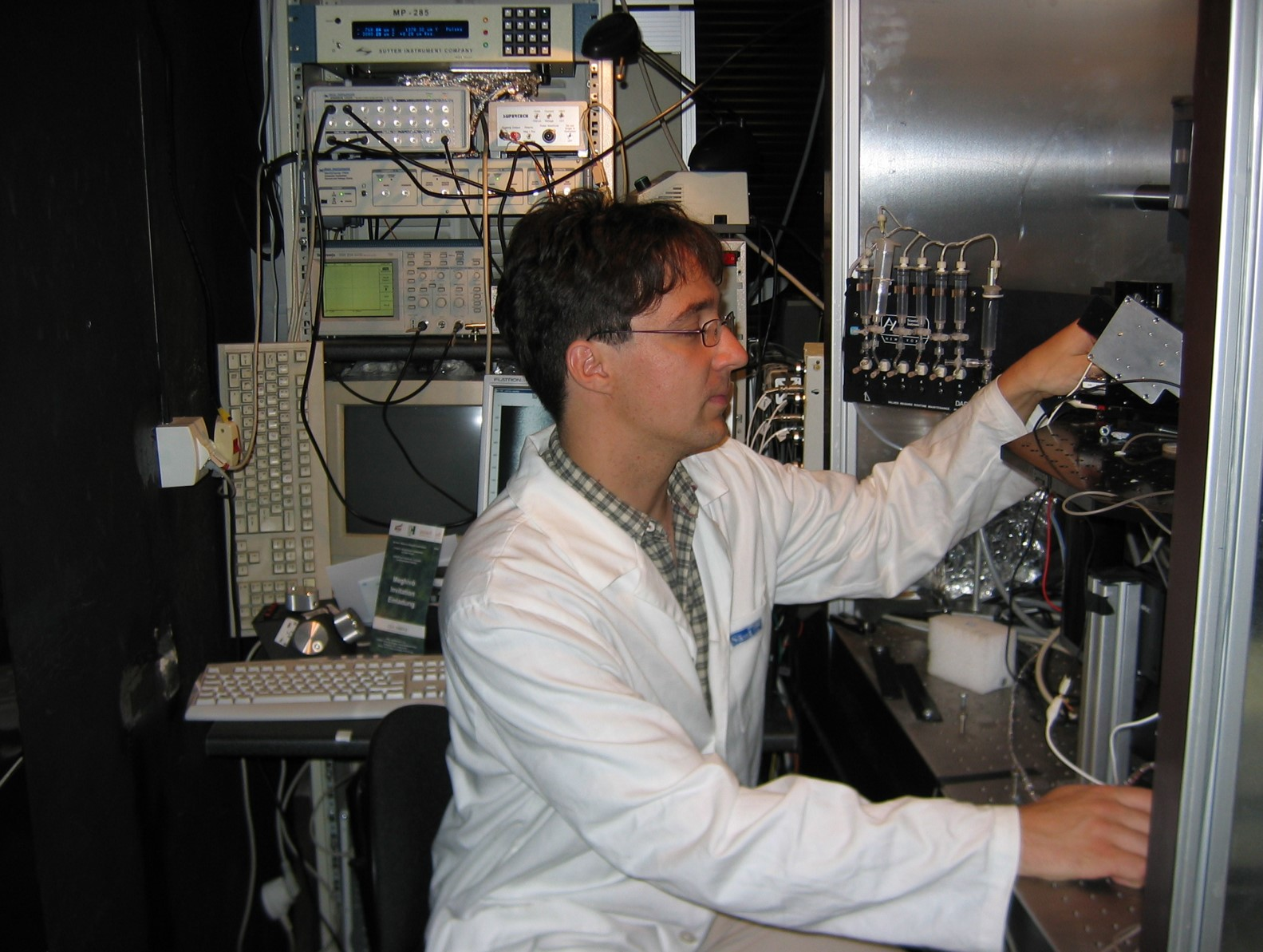
Company founded
Femtonics is established to push the boundaries of neuroscience microscopy.
2005
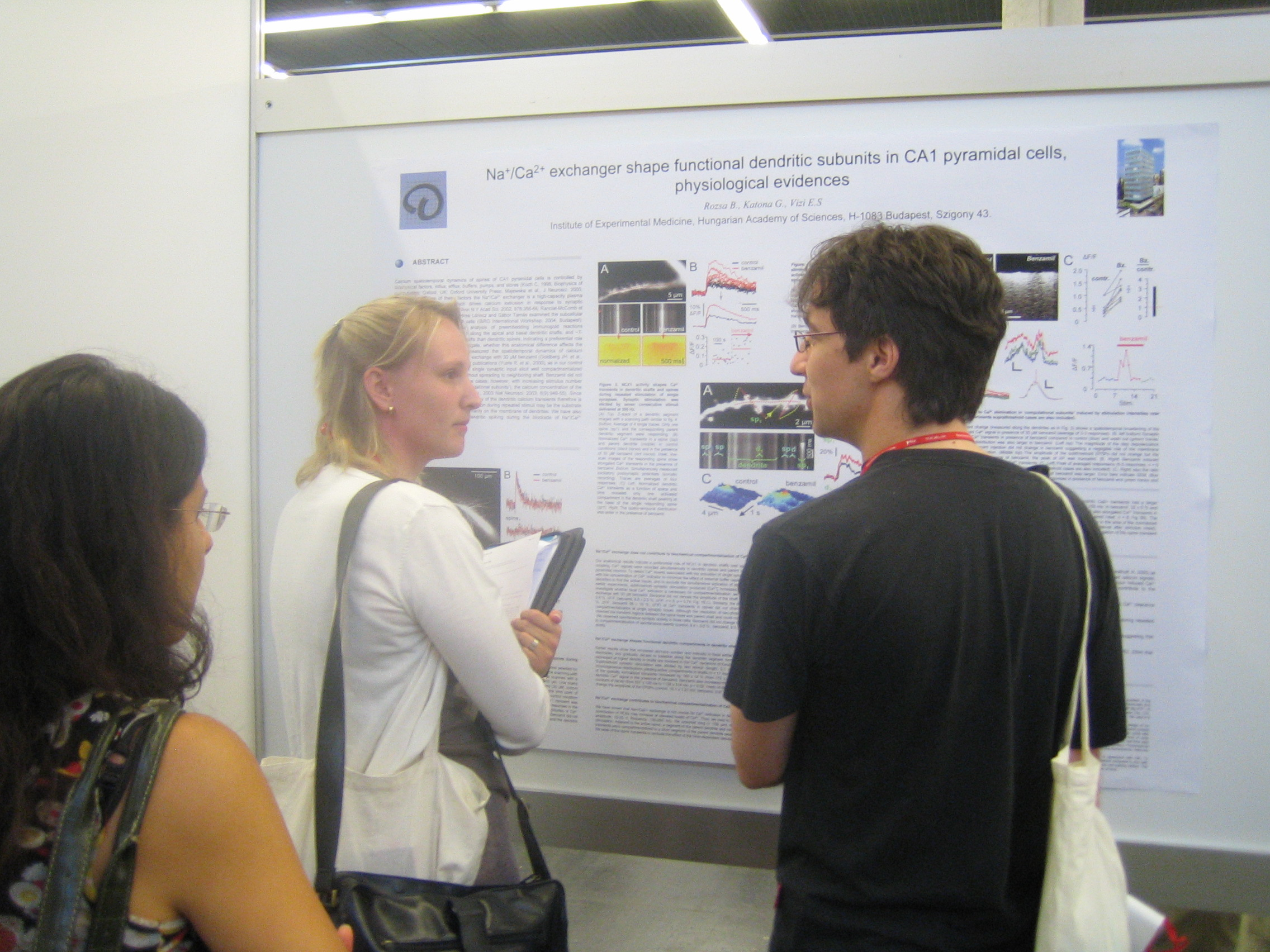
First time at FENS
First in-house microscope delivered. Debut at the FENS meeting.
2006
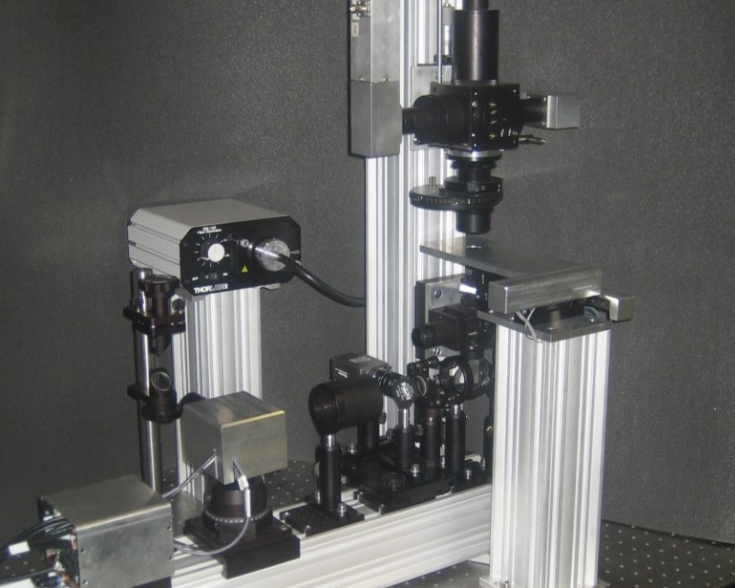
First Microscope
International presence grows with new demonstrations and collaborations.
2007
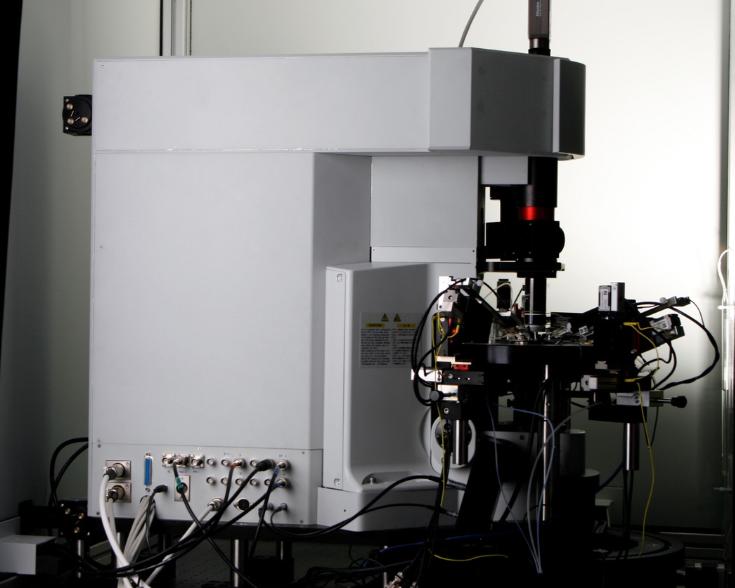
FEMTO 2D
Adaptive optics & acousto-optic deflector prototype introduced in the field.
2008
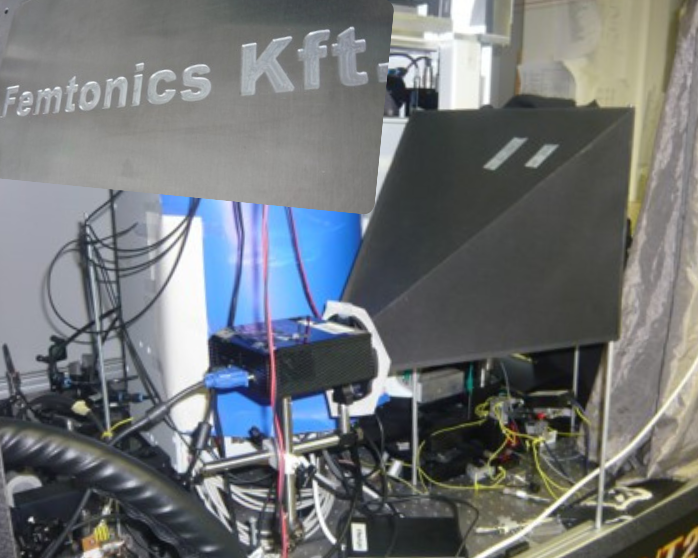
Laboratory & first company sign
New lab space opens to support growing R&D and manufacturing.
2010
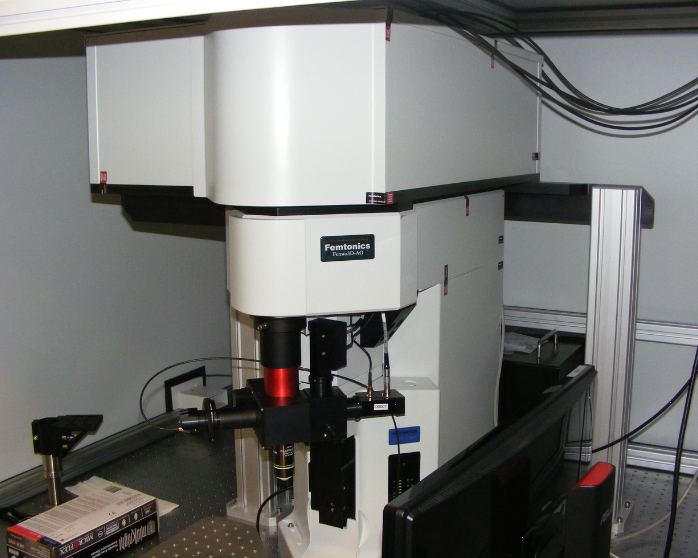
Grand Prize for Innovation • First AOD Microscope
Recognition for pioneering AO/AOD solutions in neuroscience microscopy.
2012
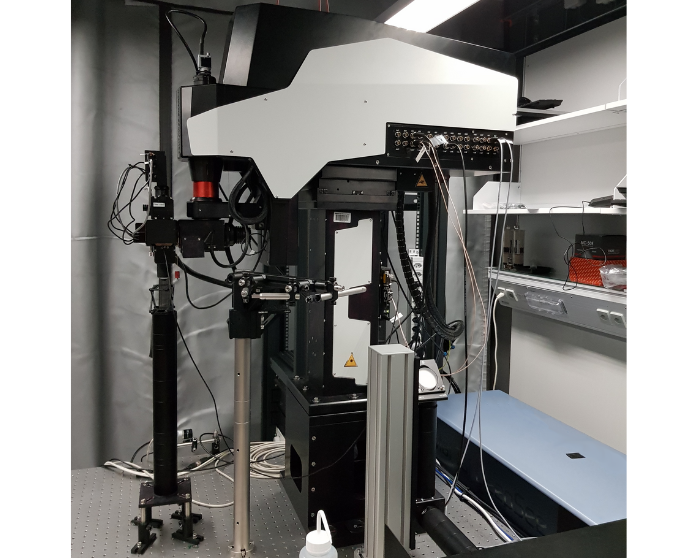
FEMTO Smart
Modular 2P platform widely adopted by research labs.
2015
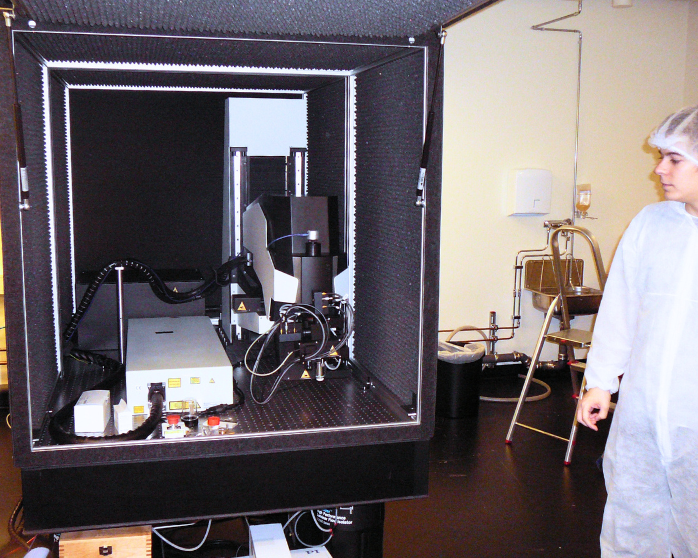
FEMTOSmart Bridge
Bridging configurations for complex in-vivo experiments.
2016
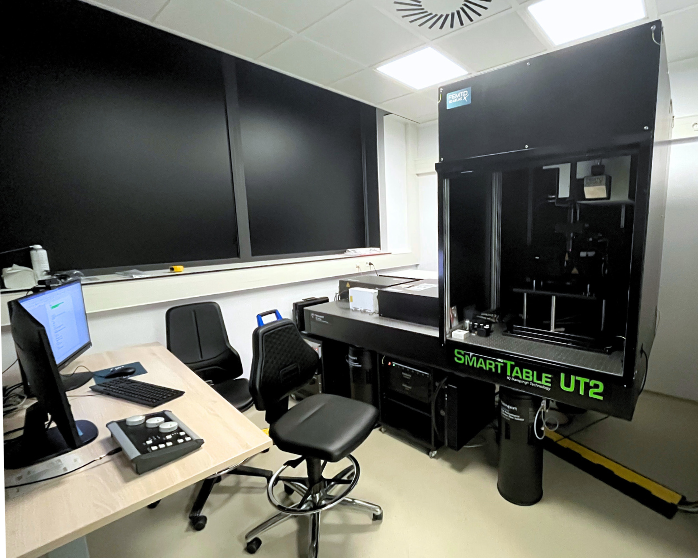
FEMTO3D Atlas, Smart II
High-speed 3D scanning and refined Smart architecture.
2018
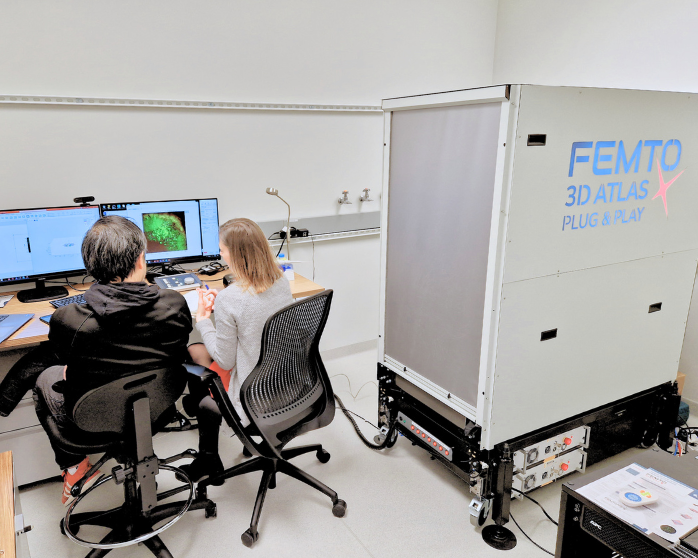
FEMTO3D Atlas Plug & Play
Rapid setup for advanced 2P/3P imaging workflows.
2022
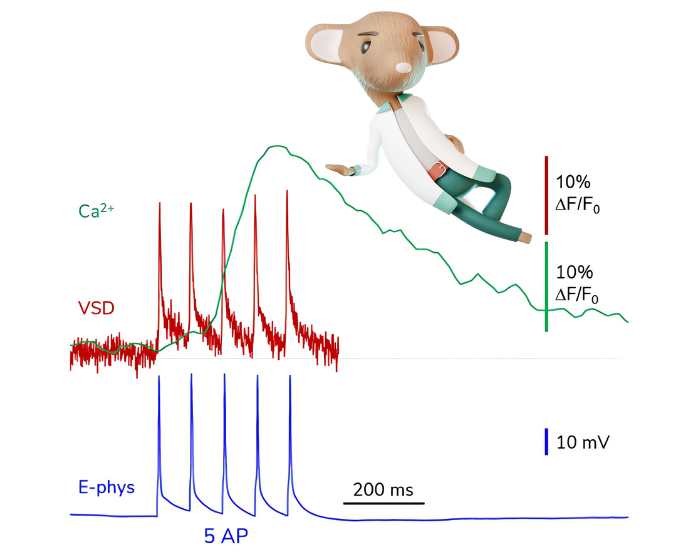
Advanced voltage imaging
End-to-end pipeline for high-speed voltage measurements.
2023
FemtoniXX
20 years of thinking ahead in microscopy — new milestones ahead.
2025
Our team
Imaging Solutions Experts

Head of Customer Care Division
Dr Rita Mezei


Head of Sales Department
Éva Árgyelán

EU Sales Manager
Csongor Szóráth

International Sales Representative
Péter Gál

North American Sales Representative
Patrick Stemkowski PhD
Application Specialists

Head of Application Specialist Department
Viktória Kiss PhD

Application Specialist
Dénes Pálfi PhD

Application Specialist
Tamás Tompa PhD

Application Specialist
Gergely Knorr PhD

Application Specialist
Ildikó Szöts PhD

See it running before you commit
Book time with a fully set up Femtonics system. Bring your own samples, run your own protocols, and judge the imaging speed for yourself, not from a spec sheet.
Let’s go further, together
Talk to an application specialist about your research, or book a demo at one of our facilities.